

DeepSeek V4 Flash Writing Workflow: Source Notes, Drafts and Review
Turn source material into a Chinese writing brief, outline and reviewed draft with DeepSeek V4 Flash. Includes prompts and three practical workflows.
Writing from source material starts with separating facts from assumptions. This workflow uses DeepSeek V4 Flash to organize a brief, draft in Chinese and review the result. It does not assume one model is faster, cheaper or better at every writing task.
Prepare a source-backed brief
Number the source passages and list the audience, publication channel, target length and claims that must not appear. Split large materials into numbered sections within the current input limits; summarize each section before combining them. Keep source IDs in the combined notes so that important claims can be traced back.
| Stage | Requested output | Acceptance check |
|---|---|---|
| Source sorting | Facts, unknowns and contradictory statements | Every factual claim points to a passage |
| Outline | Heading, reader question and supporting evidence | No section depends on invented information |
| Draft | Copy in the requested tone and length | Names, quantities and quotations match sources |
| Review | Missing evidence and proposed edits | A reviewer can reproduce each correction |
Draft and review in separate passes
First request an outline rather than a finished article. Approve the section order, then ask for a draft using only the approved facts. In a separate pass, ask the model to flag unsupported statements instead of silently filling gaps. A fluent answer still needs a human source check.
Prompt templates to adapt
The original templates below are examples of writing assignments. Product names and usage claims inside generated promotional copy must be checked against the current product page before publication.
Write 3 social-post drafts for How to choose AI drawing covers: hook, pain point, 3 bullets, CTA. Conversational but not childish. 120–180 words each.
Compare still-then-image-to-video vs pure text-to-video. Output a table: best scenarios, risks, recommended model pairs, acceptance criteria. Give the conclusion first, then the reasoning.
Write a landing-page blurb for DeepSeek V4 online chat: problem solved, who it fits, who it does not fit, three-step start. Stay under 400 words; avoid fluff.
Organize the text below into three columns: Decisions / Todos (owner + due date) / Risks. No lyricism. Source: …
Rewrite this vague idea into a paste-ready drawing prompt: subject, framing, lighting, style, hard constraints. Then add one motion-intent version for image-to-video.
Three practical workflows
A: Three short-video script variants
- Give the same audience, source facts and length limit for three different hooks.
- Compare the promise and supporting evidence in each version; remove unsupported selling points before polishing tone with GPT 5.6 Sol if useful.
- Convert the approved script into a shot list. Generate visuals in a drawing or video mode that supports the required inputs, then check captions and continuity. Completion time depends on revisions and generation results.
B: Competitor materials to an execution plan
- Provide permitted excerpts, source dates and a clear research question. Do not assume a pasted URL has been read.
- Separate observed facts, interpretations and missing evidence. Convert approved findings into tasks with an owner, due date and acceptance criterion.
- Ask another model or a reviewer to challenge the plan using the same excerpts. Resolve disagreements against sources before writing the client version.
C: An article to a tutorial voiceover
- Divide the article into one teaching point per segment and draft narration with estimated timestamps.
- Read it aloud and adjust the timing; model-generated timestamps are planning estimates.
- Prepare a separate music brief for Suno. An instrumental instruction such as no vocals is a request to verify in the generated audio, not a guarantee.
When to try another model
Keep the brief and acceptance checklist fixed when handing a draft to GPT 5.6 Sol, Claude Sonnet 5, Gemini 3.5 Flash or Grok 4.5. Compare corrections and remaining errors rather than assigning permanent roles by brand. Use the linked comparison guide for a controlled DeepSeek/GPT trial.
Check the current mode before starting
The legacy DeepSeek URL currently maps to DeepSeek V4 Flash. Open its product page to inspect the selected mode, current price and supported inputs. For files, images or web access, check the controls actually available in that mode; if necessary, supply clearly labeled text excerpts. The catalog is not proof that a complete generation has been tested.
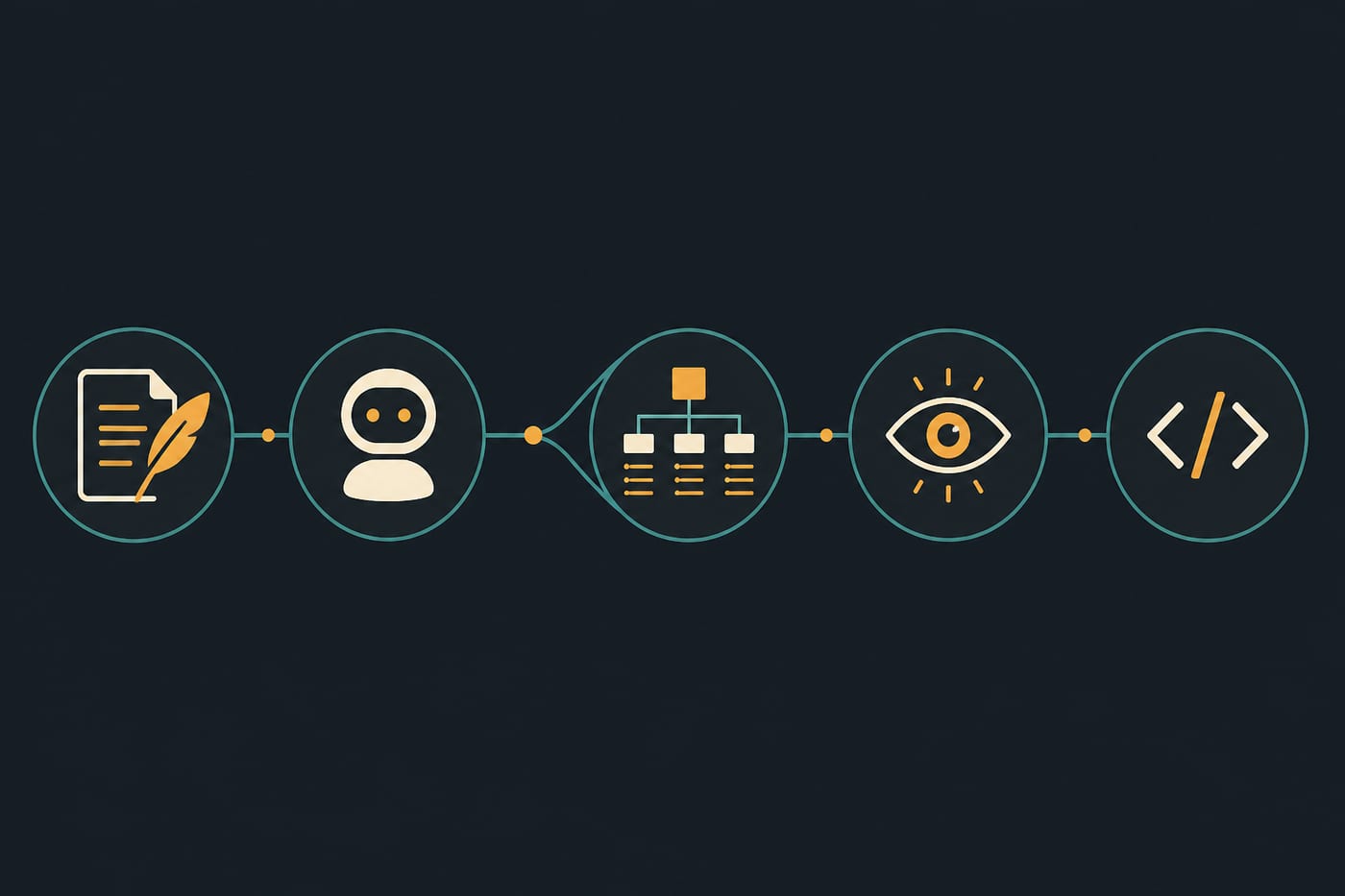
Related tutorials and product pages
- DeepSeek V4 Flash Flash
- How to choose AI chat models
- GPT 5.6 Sol getting started
- Claude long-form and coding
- Gemini multimodal
- Grok online coding
- DeepSeek and GPT comparison method
- GPT 5.6 Sol
- Claude Sonnet 5
- Gemini 3.5 Flash
- Grok 4.5
- Midjourney
- GPT Image 2
- Nano Banana 2
- Seedance 2.0
- Kling 3.0 Turbo
- Google Veo 3.1
- Image-to-video guide
- Suno
- content pipeline post
- Suno short-form BGM
- Drawing selection guide