

Midjourney vs GPT Image 2 vs Nano Banana: A Complete Guide to Choosing Online AI Drawing Models
Built for searches like “Midjourney online,” “GPT Image 2,” “Nano Banana,” and “how to choose AI drawing tools”—compare three online image models by use case, plus a practical path to switch and try them in the BaBawu Ai browser.
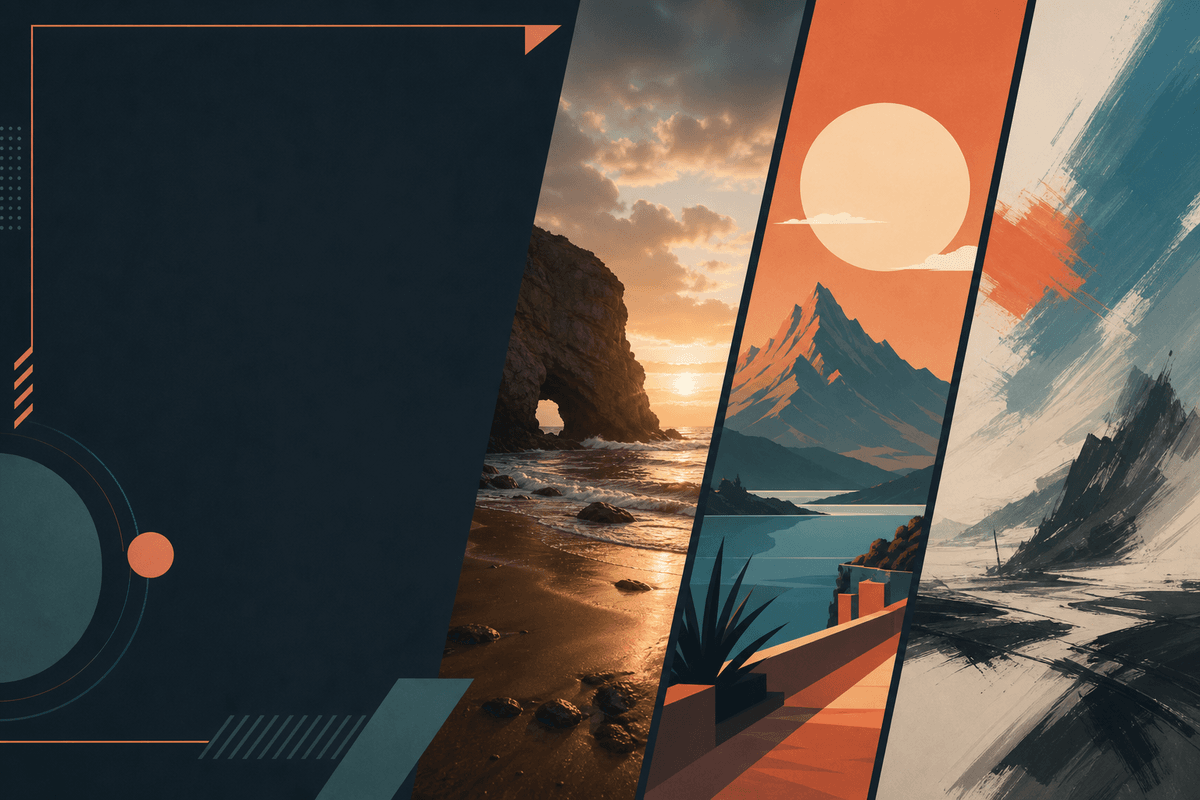
When people search “how to choose AI drawing tools,” “use Midjourney online,” “GPT Image 2,” or “Nano Banana Chinese posters,” what creators usually struggle with is not “whether a model exists,” but for the same kind of brief, which one should you open first?
On BaBawu Ai, you can try three AI drawing entry points online in the browser—Midjourney V8.1, GPT Image 2, and Nano Banana—and switch by asset type anytime, instead of bouncing between three separate accounts and clients.
This article is a selection guide (focused on “when to use which”), complementary to the single-model how-to tutorials on the site:
- How to use Midjourney online
- How to use GPT Image 2 online
- Nano Banana online image generation tutorial
One-line positioning: what is each model best at?
| Model | One-line positioning | Related search terms |
|---|---|---|
| Midjourney V8.1 | Atmosphere, art direction, style exploration | Midjourney online, AI art, concept art |
| GPT Image 2 | Reference images + complex intent + multilingual text | GPT Image, OpenAI image generation, commercial visuals |
| Nano Banana | Fast iteration + localized poster text | Nano Banana, Chinese posters, quick drafts |
The selection rule is simple: define the deliverable first, then pick the model—don’t lock onto a brand name too early.
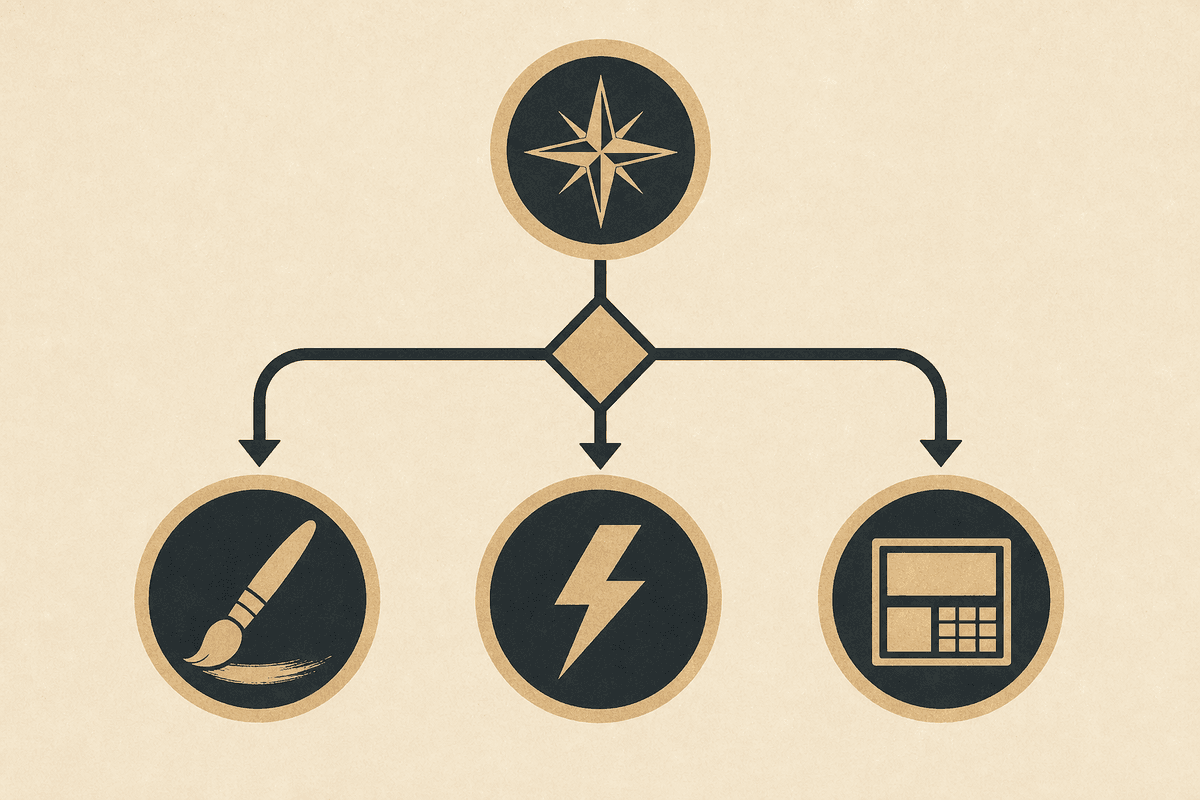
Midjourney V8.1: prioritize when you need “the feeling to be right”
Best for people searching “Midjourney prompts,” “Midjourney without Discord,” or “AI concept art.”
Better fit:
- Brand mood boards, film-storyboard atmosphere, illustration-style exploration
- Frames that need strong lighting, materials, and compositional beauty
- You’re willing to refine “art direction” across multiple prompt rounds
Lower priority when:
- E-commerce hero images need 20 versions fast with clear Chinese titles
- The workflow heavily depends on “upload a reference to keep character/packaging consistent” (start with GPT Image 2)
Getting started: Midjourney V8.1 product page → online workspace. Prompt tip remains the three-part pattern “subject → style → constraints”; details are in the on-site Midjourney tutorial.
GPT Image 2: prioritize when you need it to “understand complex briefs”
Best for people searching “GPT Image 2 online,” “OpenAI image generation,” or “image-to-image from references.”
Better fit:
- Commercial posters, packaging, and brand key visuals where intent understanding matters
- Using reference images for style transfer, element compositing, and character consistency
- Relatively accurate multilingual text that must appear in the frame
Lower priority when:
- You only want ultra-fast Chinese promo-poster layout trials (start with Nano Banana)
- Pure art-atmosphere exploration with little care for text or references (start with Midjourney)
Getting started: GPT Image 2 product page. In the prompt, spell out “subject + use case + exact copy”; when you have a reference, say whether to keep composition, color, or character traits.
Nano Banana: prioritize when you need “speed and on-image text”
Best for people searching “Nano Banana,” “Google image generation,” or “AI Chinese posters.”
Better fit:
- Rapid multi-version trials for social covers, event posters, and promo graphics
- E-commerce hero drafts where localized copy must appear directly on the image
- Ops teammates who need “10 directions by this afternoon” throughput
Lower priority when:
- You’re chasing cinematic lighting and complex art styles (go back to Midjourney)
- You need deep reference reasoning and complex intent breakdown (go back to GPT Image 2)
Getting started: Nano Banana product page. Put the exact required headline text into the prompt—success rates are usually higher.
Scenario matrix: choose by deliverable
| Your deliverable | Try first | Fallback |
|---|---|---|
| Concept art / mood board / style exploration | Midjourney V8.1 | GPT Image 2 |
| Brand key visual with references / multilingual packaging text | GPT Image 2 | Midjourney |
| Chinese promo posters / social-cover fast tests | Nano Banana | GPT Image 2 |
| Short-video cover batch trials | Nano Banana | Midjourney |
| Character/product consistency iteration | GPT Image 2 | Midjourney |
Recommended workflow: “model routing” on BaBawu Ai
Many teams don’t bind to a single image model. They route like this:
- Diverge: Nano Banana or Midjourney to quickly lay out 5–8 directions
- Lock the look: GPT Image 2 with references and exact copy for polish
- Copy & storyboard: use GPT-5.6 Sol, Claude Opus 4.8, or Gemini 3.5 Flash for scripts and prompts
- Music: use Suno for short-video BGM (see Suno online tutorial)
If you’re still torn between DeepSeek and GPT on the chat side, see: DeepSeek vs GPT online comparison.
That’s the point of BaBawu Ai as a one-stop hub for AI drawing / AI chat / AI music: putting hot searches like “Midjourney online,” “GPT Image,” “Nano Banana,” and “Suno” on one clickable path.
Common pitfalls
- Pitfall 1: Bookmarking only one “strongest model”
“Strongest” depends on the deliverable. Poster throughput and cinematic atmosphere are not the same problem. - Pitfall 2: Prompts that are only stacked adjectives
Without subject, use case, and exact on-image text, all three models can look flashy but unusable. - Pitfall 3: Treating tutorials as selection—or selection as tutorials
Tutorials answer “how to open it”; this article answers “which to open first.” Using both is most efficient.
Summary
If you’re searching “how to choose AI drawing tools,” “use Midjourney online,” or “GPT Image 2 vs Nano Banana,” don’t stop at abstract comparisons: open BaBawu Ai and try a round in the online workspace from Midjourney V8.1, GPT Image 2, or Nano Banana based on the deliverable. When you need scripts and music, connect chat models and Suno—let model names serve asset types, not the other way around.